
54 behaviours
Further reading and references
For every behaviour, the one book to read next and every source the Everyone Succeeds book draws on, in one place.
54 behaviours, 154 references
Strategy
Recommended book
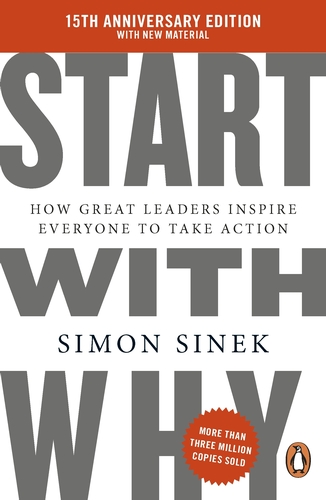
Start With Why – Simon Sinek (2009)
Explains the Golden Circle (Why → How → What), showing why purpose inspires action. Explains the rationale for starting with “why.”
Buy the bookReferences in the Everyone Succeeds book (4)
- Lencioni, P.M. (2012) The Advantage: Why Organizational Health Trumps Everything Else in Business. San Francisco, CA: Jossey-Bass. Amazon
- Dodd, D. and Favaro, K. (2007) The Three Tensions: Winning the Struggle to Perform Without Compromise. San Francisco: Jossey-Bass. Amazon
- Pink, D.H. (2012) To Sell Is Human: The Surprising Truth About Moving Others. New York: Riverhead Books. Amazon
- Sinek, S. (2009) Start with Why: How Great Leaders Inspire Everyone to Take Action. New York: Portfolio. Amazon
Recommended reading
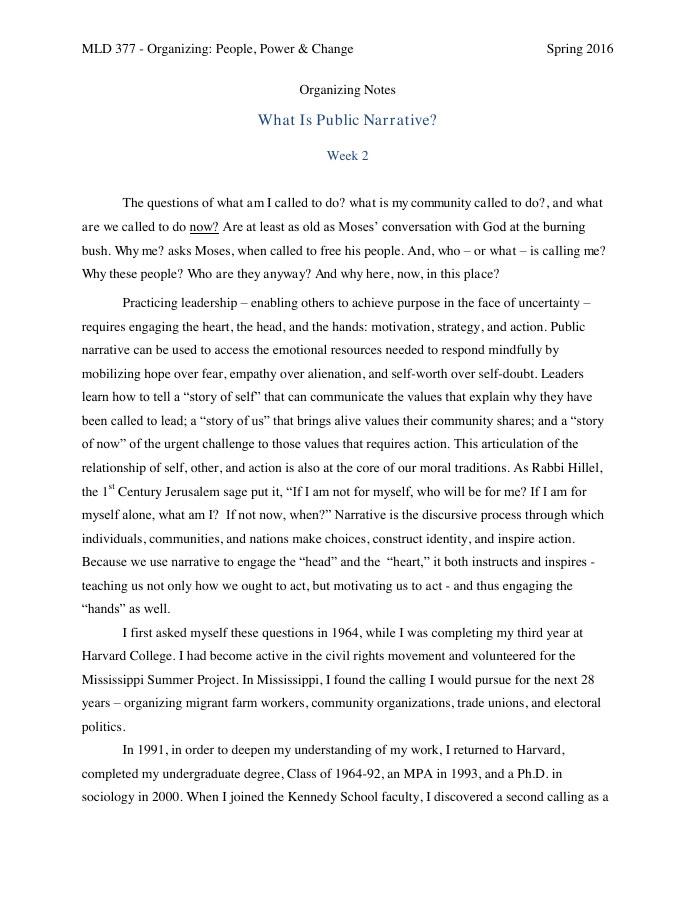
What Is Public Narrative? – Marshall Ganz (2016)
This text deepens your understanding of the behaviour by illustrating how structured storytelling motivates collective action, helping you frame narratives that move people towards a shared purpose.
Read itReferences in the Everyone Succeeds book (2)
- Brown, B. (2015) Daring Greatly: How the Courage to Be Vulnerable Transforms the Way We Live, Love, Parent, and Lead. London: Penguin Life. Amazon
- Ganz, M. (2011) 'Public narrative, collective action, and power', in Odugbemi, S. and Lee, T. (eds) Accountability Through Public Opinion: From Inertia to Public Action. Washington, DC: The World Bank, pp. 273–289. Amazon
Recommended book
Good to Great – Jim Collins (2001)
This book strengthens your practice by showing how confronting reality enables better decision-making, helping you lead with honesty, optimism and clarity.
Buy the bookReferences in the Everyone Succeeds book (2)

Recommended book
The Advantage – Patrick Lencioni (2012)
This text supports the behaviour by demonstrating how values shape healthy organisational culture, helping you use them as a filter for decisions and expectations.
Buy the bookReferences in the Everyone Succeeds book (5)
- Lencioni, P.M. (2012) The Advantage: Why Organizational Health Trumps Everything Else in Business. San Francisco, CA: Jossey-Bass. Amazon
- Coyle, D. (2018) The Culture Code: The Secrets of Highly Successful Groups. New York: Bantam. Amazon
- Hargreaves, A. and Fullan, M. (2012) Professional Capital: Transforming Teaching in Every School. New York: Teachers College Press. Amazon
- Robinson, V.M.J. (2011) Student-Centered Leadership. San Francisco: Jossey-Bass. Amazon
- Schein, E.H. with Schein, P. (2016) Organizational Culture and Leadership. 5th edn. Hoboken, NJ: Wiley. Amazon
Recommended book
Measure What Matters – John Doerr (2018)
This book helps you put the behaviour into action by showing how clear goals and measurable key results create focus, alignment and disciplined improvement.
Buy the bookReferences in the Everyone Succeeds book (3)
- Lencioni, P.M. (2012) The Advantage: Why Organizational Health Trumps Everything Else in Business. San Francisco, CA: Jossey-Bass. Amazon
- Doerr, J. (2018) Measure What Matters: How Google, Bono, and the Gates Foundation Rock the World with OKRs. New York: Portfolio/Penguin. Amazon
- McChesney, C., Covey, S. and Huling, J. (2012) The 4 Disciplines of Execution: Achieving Your Wildly Important Goals. New York: Free Press. Amazon
Recommended book
Good to Great – Jim Collins (2001)
This text deepens your understanding by exploring how clarity of purpose enables organisations to prioritise what matters most and ignore distractions.
Buy the bookReferences in the Everyone Succeeds book (4)
- Lencioni, P.M. (2012) The Advantage: Why Organizational Health Trumps Everything Else in Business. San Francisco, CA: Jossey-Bass. Amazon
- Doerr, J. (2018) Measure What Matters: How Google, Bono, and the Gates Foundation Rock the World with OKRs. New York: Portfolio/Penguin. Amazon
- Covey, S.R. (1989) The 7 Habits of Highly Effective People: Powerful Lessons in Personal Change. New York: Free Press. Amazon
- Pounds, W.F. (1965) The Process of Problem Finding. Working Paper 148-65. Cambridge, MA: Sloan School of Management, Massachusetts Institute of Technology. Amazon
Recommended book
The Advantage – Patrick Lencioni (2012)
This book reinforces your practice by showing how frequent, consistent messaging builds trust, alignment and shared purpose across a team.
Buy the bookReferences in the Everyone Succeeds book (4)
- Ebbinghaus, H. (1885/1964) Memory: A Contribution to Experimental Psychology. Translated by H.A. Ruger and C.E. Bussenius. New York: Dover Publications. Amazon
- Heath, C. and Heath, D. (2007) Made to Stick: Why Some Ideas Survive and Others Die. New York: Random House. Amazon
- Kahneman, D. (2011) Thinking, Fast and Slow. Toronto: Doubleday Canada. Amazon
- Lencioni, P.M. (2012) The Advantage: Why Organizational Health Trumps Everything Else in Business. San Francisco: Jossey-Bass. Amazon
Recommended book
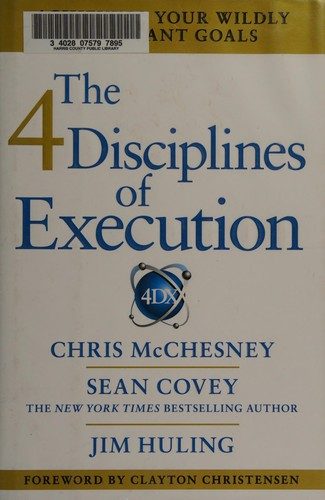
The 4 Disciplines of Execution – Chris McChesney et al. (2012)
This text strengthens your behaviour by clarifying how predictive actions drive outcomes, helping you identify where your effort will make the most significant difference.
Buy the bookReferences in the Everyone Succeeds book (2)
Recommended reading
Dave Brailsford’s case studies on British Cycling
These examples deepen the behaviour by showing how small, disciplined improvements compound into transformational results.
References in the Everyone Succeeds book (1)
- Hardy, D. (2010) The Compound Effect: Multiplying Your Success, One Simple Step at a Time. New York: Vanguard Press. Amazon
Recommended book
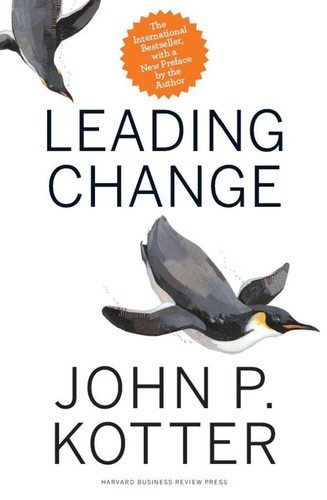
Leading Change – John Kotter (1996)
This book helps you apply the behaviour by breaking down the steps required to embed change so it lasts, offering a clear structure for leading improvement.
Buy the bookReferences in the Everyone Succeeds book (8)
- Heath, C. and Heath, D. (2007) Made to Stick: Why Some Ideas Survive and Others Die. New York: Random House. Amazon
- Buck, A. (2018) Leadership Matters 3.0: How Leaders at All Levels Can Create Great Schools. Woodbridge: John Catt Educational. Amazon
- Collins, J. and Hansen, M.T. (2011) Great by Choice: Uncertainty, Chaos and Luck – Why Some Thrive Despite Them All. London: Random House Business. Amazon
- Dweck, C.S. (2006) Mindset: The New Psychology of Success. New York: Random House. Amazon
- Kahneman, D. and Tversky, A. (1979) 'Prospect theory: An analysis of decision under risk', Econometrica, 47(2), pp. 263–291. Amazon
- Knoster, T.P., Villa, R.A. and Thousand, J.S. (2000) 'A framework for thinking about systems change', in Villa, R.A. and Thousand, J.S. (eds) Restructuring for Caring and Effective Education: Piecing the Puzzle Together. 2nd edn. Baltimore: Paul H. Brookes. Amazon
- Kotter, J.P. (2012) Leading Change. Boston, MA: Harvard Business Review Press. Amazon
- Zajonc, R.B. (1968) 'Attitudinal effects of mere exposure', Journal of Personality and Social Psychology, 9(2, Pt. 2), pp. 1–27. Amazon
Recommended book
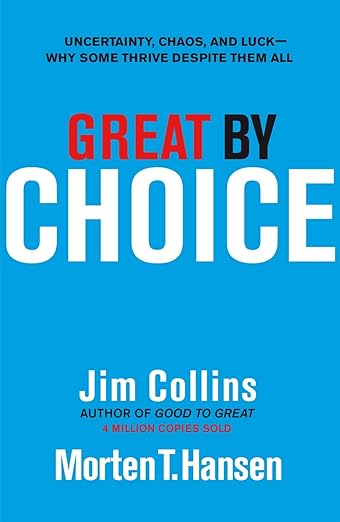
Great by Choice – Jim Collins & Morten Hansen (2011)
This text strengthens your practice by illustrating how bold thinking, disciplined experimentation and resilience enable leaders to achieve 10X results.
Buy the bookReferences in the Everyone Succeeds book (5)
- Dweck, C.S. (2006) Mindset: The New Psychology of Success. New York: Random House. Amazon
- Clance, P.R. (1985) The Impostor Phenomenon: Overcoming the Fear That Haunts Your Success. Atlanta: Peachtree Publishers. Amazon
- Doidge, N. (2007) The Brain That Changes Itself: Stories of Personal Triumph from the Frontiers of Brain Science. Melbourne: Scribe. Amazon
- Ericsson, A. and Pool, R. (2016) Peak: Secrets from the New Science of Expertise. Boston: Houghton Mifflin Harcourt. Amazon
- Lemov, D., Woolway, E. and Yezzi, K. (2012) Practice Perfect: 42 Rules for Getting Better at Getting Better. San Francisco: Jossey-Bass. Amazon
Recommended book
Good to Great – Jim Collins (2001)
Describes the Flywheel Effect – momentum from consistent, reinforcing actions.
Buy the bookReferences in the Everyone Succeeds book (4)
- Collins, J. (2001) Good to Great: Why Some Companies Make the Leap… and Others Don't. London: Random House Business Books. Amazon
- Collins, J. (2009) How the Mighty Fall: And Why Some Companies Never Give In. London: Random House Business. Amazon
- Handy, C.B. (1990) The Age of Unreason. Boston, MA: Harvard Business School Press. Amazon
- Hargreaves, A. and Fink, D. (2006) Sustainable Leadership. San Francisco: Jossey-Bass. Amazon
Recommended book
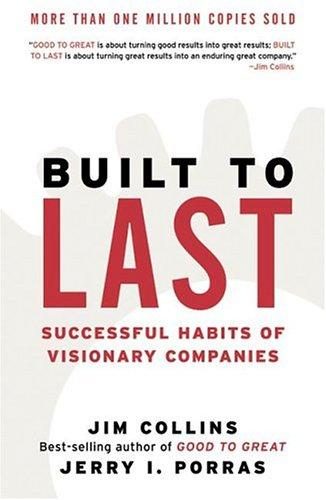
Built to Last – Jim Collins & Jerry Porras (1994)
This book deepens the behaviour by showing how consistent, reinforcing actions generate long-term momentum and cultural change.
Buy the bookReferences in the Everyone Succeeds book (3)
- Collins, J.C. and Porras, J.I. (2005) Built to Last: Successful Habits of Visionary Companies. London: Random House Business Books. Amazon
- Locke, E.A., Shaw, K.N., Saari, L.M. and Latham, G.P. (1981) 'Goal setting and task performance: 1969–1980', Psychological Bulletin, 90(1), pp. 125–152. Amazon
- Sullivan, D. and Hardy, B. (2023) 10x Is Easier Than 2x: How World-Class Entrepreneurs Achieve More by Doing Less. Carlsbad, CA: Hay House Business. Amazon

Recommended book
Thinking in Systems – Donella Meadows (2008)
This book helps you practise the behaviour by revealing how decisions ripple through a system, equipping you to predict impact and act with foresight.
Buy the bookReferences in the Everyone Succeeds book (3)
- Senge, P.M. (1990) The Fifth Discipline: The Art and Practice of the Learning Organization. New York: Doubleday/Currency. Amazon
- Simon, H.A. (1957) Models of Man: Social and Rational. New York: John Wiley & Sons. Amazon
- Thaler, R.H. and Sunstein, C.R. (2008) Nudge: Improving Decisions about Health, Wealth, and Happiness. New Haven: Yale University Press. Amazon
Recommended book
Sources of Power– Gary Klein (1998)
This text strengthens the behaviour by demonstrating how anticipating failure in advance leads to better planning, sharper insight and reduced risk.
Buy the bookReferences in the Everyone Succeeds book (3)
- Heath, C. and Heath, D. (2013) Decisive: How to Make Better Choices in Life and Work. New York: Crown Business. Amazon
- Klein, G. (2007) 'Performing a project premortem', Harvard Business Review, 85(9), pp. 18–19. Amazon
- Marquet, L.D. (2013) Turn the Ship Around! A True Story of Building Leaders by Breaking the Rules. New York: Portfolio/Penguin. Amazon
Culture

Recommended book
Leverage Leadership 2.0 by Paul Bambrick-Santoyo
This book supports the behaviour by showing how precise expectations and follow-up drive consistency, improvement and professional trust.
Buy the bookReferences in the Everyone Succeeds book (1)
- Whitman, D. (2008) Sweating the Small Stuff: Inner-City Schools and the New Paternalism. Washington, DC: Thomas B. Fordham Institute. Amazon

Recommended book
The Talent Code by Daniel Coyle (2009)
This text deepens your practice by demonstrating how stretch, high expectations and focused coaching unlock potential across a school.
Buy the bookReferences in the Everyone Succeeds book (4)
- Catmull, E. and Wallace, A. (2020) Creativity, Inc.: Overcoming the Unseen Forces That Stand in the Way of True Inspiration. Toronto: Vintage Canada. Amazon
- Coyle, D. (2020) The Talent Code: Greatness Isn't Born. It's Grown. London: Random House Business. Amazon
- Porter, A.C., Murphy, J., Goldring, E., Elliott, S.N., Polikoff, M.S. and May, H. (2008) Vanderbilt Assessment of Leadership in Education: Technical Manual, Version 1.0. Nashville, TN: Vanderbilt University. Amazon
- Rosenthal, R. and Jacobson, L. (1968) Pygmalion in the Classroom: Teacher Expectation and Pupils' Intellectual Development. New York: Holt, Rinehart and Winston. Amazon
Recommended book
Teach Like a Champion 3.0 – Doug Lemov (2021)
This text reinforces the behaviour by illustrating how disciplined, reliable action outperforms sporadic bursts of intensity.
Buy the bookReferences in the Everyone Succeeds book (3)
- Bambrick-Santoyo, P. (2018) Leverage Leadership 2.0: A Practical Guide to Building Exceptional Schools. San Francisco, CA: Jossey-Bass. Amazon
- Lally, P., van Jaarsveld, C.H.M., Potts, H.W.W. and Wardle, J. (2010) 'How are habits formed: Modelling habit formation in the real world', European Journal of Social Psychology, 40(6), pp. 998–1009. Amazon
- Lemov, D., Woolway, E. and Yezzi, K. (2012) Practice Perfect: 42 Rules for Getting Better at Getting Better. San Francisco, CA: Jossey-Bass. Amazon
Recommended book
Great by Choice – Jim Collins & Morten Hansen (2011)
The “20 Mile March” concept: consistent discipline outperforms bursts of intensity.
Buy the book
Recommended book
The Power of Moments – Chip & Dan Heath (2017)
Explains how recognition and designed moments build culture and motivation.
Buy the bookReferences in the Everyone Succeeds book (3)
- Bliven, A. and Jungbauer, M. (2021) 'The impact of student recognition of excellence to student outcome in a competency-based educational model', The Journal of Competency-Based Education, 6(4), pp. 195–205. Amazon
- Heath, C. and Heath, D. (2017) The Power of Moments: Why Certain Experiences Have Extraordinary Impact. New York: Simon & Schuster. Amazon
- Lepkowska, D. (2018) Tackling Teacher Retention and Turnover Challenges. Slough: NFER. Available at: https://www.nfer.ac.uk/media/ebkabwz0/tackling_teacher_retention_and_turnover_challenges_htu.pdf Amazon

Recommended book
Leading in a Culture of Change – Michael Fullan (2001)
This book enriches your practice by showing how leaders draw insight from diverse sources and use that inspiration to drive purposeful change.
Buy the bookReferences in the Everyone Succeeds book (3)
- Barber, M. (2021) Accomplishment: How to Achieve Ambitious and Challenging Things. London: Allen Lane. Amazon
- Fullan, M. (2001) Leading in a Culture of Change. San Francisco, CA: Jossey-Bass. Amazon
- Katz, R. and Allen, T.J. (1982) 'Investigating the Not Invented Here (NIH) syndrome: A look at the performance, tenure, and communication patterns of 50 R & D project groups', R&D Management, 12(1), pp. 7–20. Amazon

Recommended book
The Four Pillars of Parental Engagement. Robbins, J. and Dempster, K., (2021)
This book strengthens the behaviour by demonstrating how meaningful partnership with parents supports student outcomes and strengthens trust.
Buy the bookReferences in the Everyone Succeeds book (4)
- Dufur, M.J., Parcel, T.L. and Troutman, K.P. (2013) 'Does capital at home matter more than capital at school? Social capital effects on academic achievement', Research in Social Stratification and Mobility, 31, pp. 1–21. Amazon
- Education Endowment Foundation (2021) Parental engagement. Teaching and Learning Toolkit. Available at: https://educationendowmentfoundation.org.uk/education-evidence/teaching-learning-toolkit/parental-engagement Amazon
- Hattie, J. (2008) Visible Learning: A Synthesis of Over 800 Meta-Analyses Relating to Achievement. London: Routledge. Amazon
- Robbins, J. and Dempster, K. (2021) The Four Pillars of Parental Engagement: Empowering Schools to Connect Better with Parents and Pupils. Carmarthen: Crown House Publishing. Amazon
Recommended book
The Power of Moments – Chip & Dan Heath (2017)
This book deepens the behaviour by showing how leaders can deliberately create moments of elevation, insight, pride and connection that people remember.
Buy the bookReferences in the Everyone Succeeds book (3)
- Heath, C. and Heath, D. (2017) The Power of Moments: Why Certain Experiences Have Extraordinary Impact. New York: Simon & Schuster. Amazon
- Guidara, W. (2022) Unreasonable Hospitality: The Remarkable Power of Giving People More Than They Expect. New York: Optimism Press. Amazon
- Kahneman, D., Fredrickson, B.L., Schreiber, C.A. and Redelmeier, D.A. (1993) 'When more pain is preferred to less: Adding a better end', Psychological Science, 4(6), pp. 401–405. Amazon
Leadership
Recommended book
Leaders Eat Last – Simon Sinek (2014)
This book reinforces the behaviour by showing how modelling actions and values shape culture more powerfully than instruction.
Buy the bookReferences in the Everyone Succeeds book (3)
- Covey, S.R. (2004) The 7 Habits of Highly Effective People: Powerful Lessons in Personal Change. New York: Free Press. Amazon
- Goleman, D., Boyatzis, R. and McKee, A. (2002) Primal Leadership: Realizing the Power of Emotional Intelligence. Boston, MA: Harvard Business School Press. Amazon
- Lencioni, P.M. (2012) The Advantage: Why Organizational Health Trumps Everything Else in Business. San Francisco, CA: Jossey-Bass. Amazon

Recommended book
The Progress Principle – Teresa Amabile & Steven Kramer (2011)
This text strengthens your practice by explaining how celebrating small wins fuels motivation, resilience and team culture.
Buy the bookReferences in the Everyone Succeeds book (2)
- Andony, T., Gorjian, N. and Finkelman, J. (2016) 'Effects of positive leadership and flow on employee well-being through the PERMA lens', Austin Journal of Psychiatry and Behavioral Sciences, 3(1), 1051. Amazon
- Seligman, M.E.P. (2011) Flourish: A Visionary New Understanding of Happiness and Well-being. New York: Free Press. Amazon
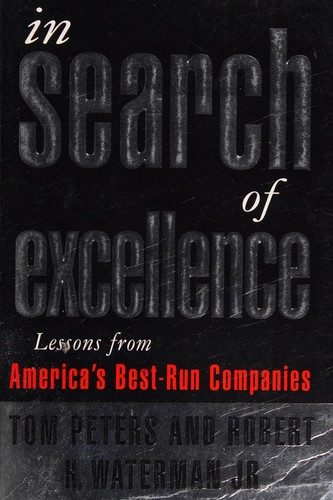
Recommended book
In Search Of Excellence: Lessons from America’s Best-Run Companies – Tom Peters and Robert Waterman Jr (1982)
This book deepens your understanding by showing how visible leadership presence builds connection, insight and shared purpose.
Buy the bookReferences in the Everyone Succeeds book (3)
- Bambrick-Santoyo, P. (2018) Leverage Leadership 2.0: A Practical Guide to Building Exceptional Schools. San Francisco, CA: Jossey-Bass. Amazon
- Cohen, J., McCabe, E.M., Michelli, N.M. and Pickeral, T. (2009) 'School climate: Research, policy, practice, and teacher education', Teachers College Record, 111(1), pp. 180–213. Amazon
- Hallinger, P. and Murphy, J.F. (2013) 'Running on empty? Finding the time and capacity to lead learning', NASSP Bulletin, 97(1), pp. 5–21. Amazon
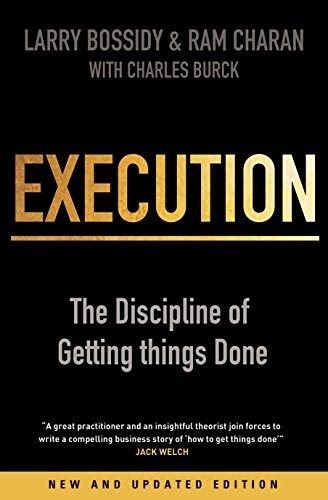
Recommended book
Execution: The Discipline of Getting Things Done – Larry Bossidy & Ram Charan (2002)
This text helps you apply the behaviour by showing how clarity, ownership and disciplined follow-through lead to consistent delivery.
Buy the bookRecommended book
Leaders Eat Last – Simon Sinek (2014)
This book reinforces your practice by emphasising how small, visible acts of service strengthen trust and model expectations.
Buy the bookReferences in the Everyone Succeeds book (1)
- Buck, A. (2018) Leadership Matters 3.0: How Leaders at All Levels Can Create Great Schools. Woodbridge: John Catt Educational. Amazon
Recommended book
Leaders Eat Last – Simon Sinek (2014)
This text strengthens the behaviour by exploring how leaders who put others first create safety, loyalty and collective performance.
Buy the bookReferences in the Everyone Succeeds book (3)
- Greenleaf, R.K. (1977) Servant Leadership: A Journey into the Nature of Legitimate Power and Greatness. New York: Paulist Press. Amazon
- Hester, W.T. (2020) The Whole Teacher: Growing Educator Resilience and Well-Being. Doctoral capstone (EdLD), Harvard Graduate School of Education. Amazon
- Sinek, S. (2014) Leaders Eat Last: Why Some Teams Pull Together and Others Don't. London: Portfolio Penguin. Amazon
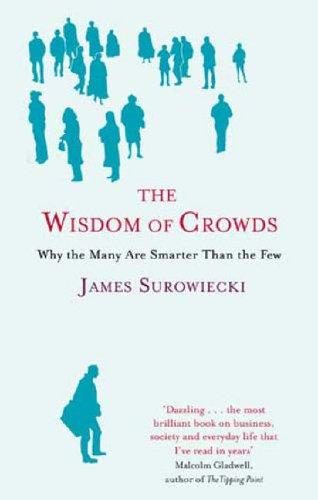
Recommended book
The Wisdom of Crowds – James Surowiecki (2004)
This book deepens the behaviour by showing how collective intelligence leads to better decisions and greater buy-in.
Buy the bookReferences in the Everyone Succeeds book (1)
- Deci, E.L. and Ryan, R.M. (2000) 'The "what" and "why" of goal pursuits: Human needs and the self-determination of behavior', Psychological Inquiry, 11(4), pp. 227–268. Amazon
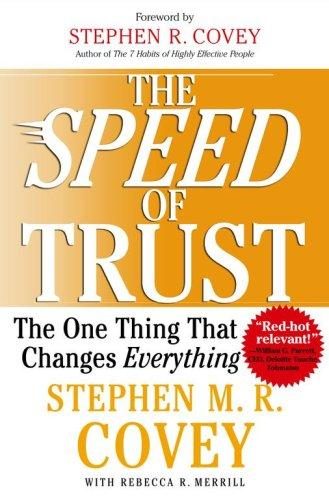
Recommended book
The Speed of Trust – Stephen M.R. Covey (2006)
This text supports the behaviour by illustrating how reliability and follow-through build credibility and strengthen relationships.
Buy the book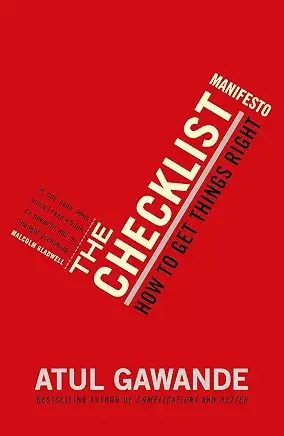
Recommended book
The Checklist Manifesto – Atul Gawande (2009)
This book helps you apply the behaviour by demonstrating how structured tools reduce error and increase consistency in complex environments.
Buy the bookReferences in the Everyone Succeeds book (3)
- Clark, R.C. (2008) Building Expertise: Cognitive Methods for Training and Performance Improvement. 3rd edn. San Francisco: Pfeiffer. Amazon
- Gawande, A. (2009) The Checklist Manifesto: How to Get Things Right. New York: Metropolitan Books. Amazon
- Kahneman, D. (2011) Thinking, Fast and Slow. New York: Farrar, Straus and Giroux. Amazon
Recommended book
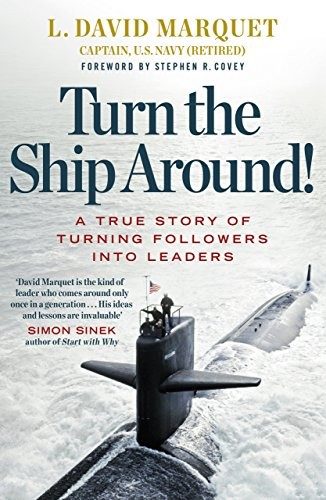
Turn the Ship Around! – L. David Marquet (2012)
This text strengthens your practice by showing how distributing responsibility grows confidence, clarity and ownership across a team.
Buy the bookReferences in the Everyone Succeeds book (6)
- Blanchard, K., Zigarmi, P. and Zigarmi, D. (2013) Leadership and the One Minute Manager: Increasing Effectiveness Through Situational Leadership II. Rev. edn. New York: William Morrow. Amazon
- Grove, A.S. (1995) High Output Management. 2nd edn. New York: Vintage Books. Amazon
- Hersey, P., Blanchard, K.H. and Johnson, D.E. (2012) Management of Organizational Behavior: Leading Human Resources. 10th edn. Upper Saddle River, NJ: Pearson. Amazon
- Hyatt, M. (2019) Free to Focus: A Total Productivity System to Achieve More by Doing Less. Grand Rapids, MI: Baker Books. Amazon
- Landsberg, M. (2015) The Tao of Coaching: Boost Your Effectiveness at Work by Inspiring and Developing Those Around You. London: Profile Books. Amazon
- Yukl, G. (2010) Leadership in Organizations. 7th edn. Upper Saddle River, NJ: Prentice Hall. Amazon

Recommended book
Adaptive Leadership – Ronald Heifetz (2009)
This book deepens the behaviour by explaining when to hold firm, when to adapt and how to navigate complexity with flexibility.
Buy the bookReferences in the Everyone Succeeds book (1)
- Chughtai, M.S., Syed, F., Naseer, S. and Chinchilla, N. (2024) 'Role of adaptive leadership in learning organizations to boost organizational innovations with change self-efficacy', Current Psychology, 43(33), pp. 27262–27281. Amazon

Recommended book
The 7 Habits of Highly Effective People – Stephen Covey (1989)
This text supports the behaviour by helping you focus energy on what you can influence, improving clarity, calm and effectiveness.
Buy the bookReferences in the Everyone Succeeds book (2)
Teams
Recommended book
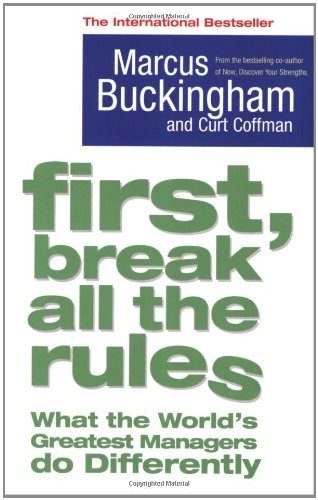
First, Break All the Rules – Marcus Buckingham & Curt Coffman (1999)
This book deepens the behaviour by showing how knowing strengths and motivations enables better deployment and stronger relationships.
Buy the bookReferences in the Everyone Succeeds book (1)
- Seligman, M.E.P. and Csikszentmihalyi, M. (2000) 'Positive psychology: An introduction', American Psychologist, 55(1), pp. 5–14. Amazon
Recommended book
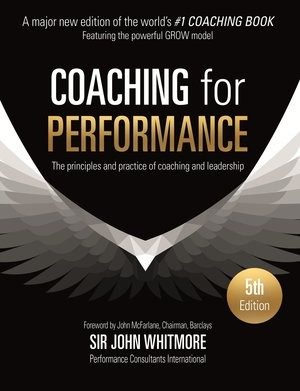
Coaching for Performance – John Whitmore (1992)
This text strengthens your practice by offering a clear structure for using questions to build ownership, confidence and clarity.
Buy the bookReferences in the Everyone Succeeds book (2)
Recommended book
Good to Great – Jim Collins (2001)
This book supports the behaviour by explaining how selecting the right people and roles creates the foundation for exceptional performance.
Buy the bookReferences in the Everyone Succeeds book (3)
- Collins, J. (2001) Good to Great: Why Some Companies Make the Leap… and Others Don't. London: Random House Business Books. Amazon
- Bryar, C. and Carr, B. (2021) Working Backwards: Insights, Stories, and Secrets from Inside Amazon. London: Macmillan Business. Amazon
- Pink, D.H. (2009) Drive: The Surprising Truth About What Motivates Us. New York: Riverhead Books. Amazon

Recommended book
The Five Dysfunctions of a Team – Patrick Lencioni (2002)
This text deepens the behaviour by exploring how trust, norms and shared purpose turn groups into effective teams.
Buy the bookRecommended book
The Five Dysfunctions of a Team – Patrick Lencioni (2002)
This book strengthens your practice by showing how healthy conflict enables creativity, clarity and commitment.
Buy the bookReferences in the Everyone Succeeds book (2)
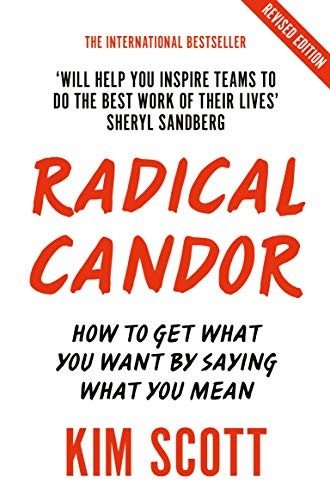
Recommended book
Radical Candour – Kim Scott (2017)
This text supports the behaviour by demonstrating how combining care and challenge builds strong, productive relationships.
Buy the bookReferences in the Everyone Succeeds book (3)
- Heath, C. and Heath, D. (2017) The Power of Moments: Why Certain Experiences Have Extraordinary Impact. New York: Simon & Schuster. Amazon
- Alexander, B.K., Coambs, R.B. and Hadaway, P.F. (1978) 'The effect of housing and gender on morphine self-administration in rats', Psychopharmacology, 58(2), pp. 175–179. Amazon
- Curry, O.S., Rowland, L.A., Van Lissa, C.J., Zlotowitz, S., McAlaney, J. and Whitehouse, H. (2018) 'Happy to help? A systematic review and meta-analysis of the effects of performing acts of kindness on the well-being of the actor', Journal of Experimental Social Psychology, 76, pp. 320–329. Amazon
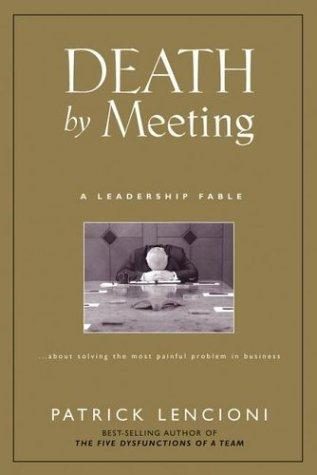
Recommended book
Death by Meeting – Patrick Lencioni (2004)
This book helps you apply the behaviour by showing how structured, purposeful meetings drive clarity, alignment and momentum.
Buy the bookReferences in the Everyone Succeeds book (3)
- Dutton, J.E. and Ashford, S.J. (1993) 'Selling issues to top management', Academy of Management Review, 18(3), pp. 397–428. Amazon
- Lencioni, P.M. (2004) Death by Meeting: A Leadership Fable… About Solving the Most Painful Problem in Business. San Francisco: Jossey-Bass. Amazon
- Rogelberg, S.G. (2022) 'Make the most of your one-on-one meetings', Harvard Business Review, 100(6), November–December. Available at: https://hbr.org/2022/11/make-the-most-of-your-one-on-one-meetings Amazon
Recommended book
Execution: The Discipline of Getting Things Done – Larry Bossidy & Ram Charan (2002)
This text strengthens the behaviour by explaining how to turn conversations into clear, owned next steps that move work forward.
Buy the bookReferences in the Everyone Succeeds book (4)
- McChesney, C., Covey, S. and Huling, J. (2012) The 4 Disciplines of Execution: Achieving Your Wildly Important Goals. New York: Free Press. Amazon
- Carter, D. and McInerney, L. (2020) Leading Academy Trusts: Why Some Fail, But Most Don't. Woodbridge: John Catt Educational. Amazon
- Collins, J. (2009) How the Mighty Fall: And Why Some Companies Never Give In. London: Random House Business Books. Amazon
- Steel, P. (2007) 'The nature of procrastination: A meta-analytic and theoretical review of quintessential self-regulatory failure', Psychological Bulletin, 133(1), pp. 65–94. Amazon
Recommended book
The Speed of Trust – Stephen M.R. Covey (2006)
This book deepens your practice by showing how follow-up builds credibility and strengthens accountability.
Buy the bookReferences in the Everyone Succeeds book (1)
- Locke, E.A. and Latham, G.P. (2002) 'Building a practically useful theory of goal setting and task motivation: A 35-year odyssey', American Psychologist, 57(9), pp. 705–717. Amazon
Recommended book
The Five Dysfunctions of a Team – Patrick Lencioni (2002)
This text supports the behaviour by illustrating how shared accountability strengthens commitment, quality and team cohesion.
Buy the bookReferences in the Everyone Succeeds book (1)
- Lencioni, P.M. (2012) The Advantage: Why Organizational Health Trumps Everything Else in Business. San Francisco, CA: Jossey-Bass. Amazon
Yourself
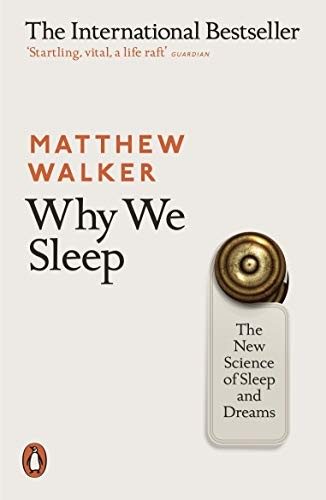
Recommended book
Why We Sleep – Matthew Walker (2017)
This book deepens the behaviour by explaining the science behind sleep and its essential role in leadership clarity, decision-making and emotional regulation.
Buy the bookReferences in the Everyone Succeeds book (3)
- Cho, K., Barnes, C.M. and Guanara, C.L. (2017) 'Sleepy punishers are harsh punishers: Daylight saving time and legal sentences', Psychological Science, 28(2), pp. 242–247. Amazon
- Guadagni, V., Burles, F., Ferrara, M. and Iaria, G. (2014) 'The effects of sleep deprivation on emotional empathy', Journal of Sleep Research, 23(6), pp. 657–663. Amazon
- Van Dongen, H.P.A., Maislin, G., Mullington, J.M. and Dinges, D.F. (2003) 'The cumulative cost of additional wakefulness: dose-response effects on neurobehavioral functions and sleep physiology from chronic sleep restriction and total sleep deprivation', Sleep, 26(2), pp. 117–126. Amazon
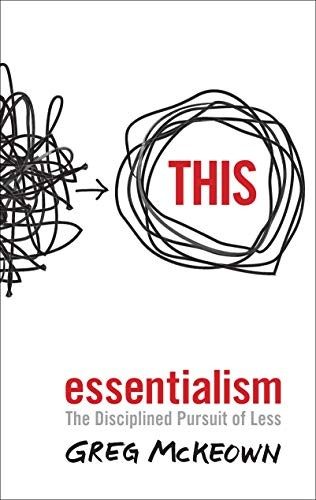
Recommended book
Essentialism – Greg McKeown (2014)
This text strengthens your practice by showing how saying no protects time, focus and well-being, helping you prioritise what matters most.
Buy the bookReferences in the Everyone Succeeds book (6)
- Berry, J. (2016) Making the Leap: Moving from Deputy to Head. Carmarthen: Crown House Publishing. Amazon
- Brown, B. (2012) Daring Greatly: How the Courage to Be Vulnerable Transforms the Way We Live, Love, Parent, and Lead. New York: Gotham Books. Amazon
- Loehr, J. and Schwartz, T. (2001) 'The making of a corporate athlete', Harvard Business Review, 79(1), pp. 120–128. Amazon
- Loehr, J. and Schwartz, T. (2003) The Power of Full Engagement: Managing Energy, Not Time, Is the Key to High Performance and Personal Renewal. New York: Free Press. Amazon
- Mohr, T. (2014) Playing Big: A Practical Guide for Brilliant Women Like You. London: Hutchinson. Amazon
- Neff, K. (2011) Self-Compassion: The Proven Power of Being Kind to Yourself. New York: William Morrow. Amazon
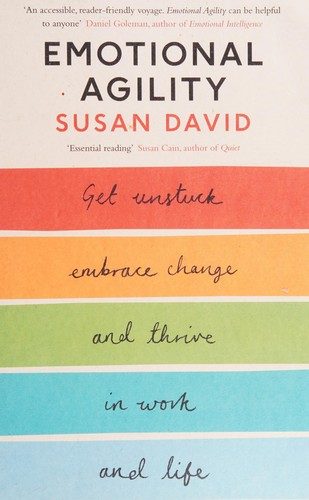
Recommended book
Emotional Agility – Susan David (2016)
This book supports the behaviour by offering strategies for recognising, naming and navigating emotions with clarity and composure.
Buy the bookReferences in the Everyone Succeeds book (4)
- Beatty, B.R. (2000) 'The emotions of educational leadership: Breaking the silence', International Journal of Leadership in Education, 3(4), pp. 331–357. Amazon
- Boyatzis, R.E. and McKee, A. (2005) Resonant Leadership: Renewing Yourself and Connecting with Others Through Mindfulness, Hope, and Compassion. Boston, MA: Harvard Business School Press. Amazon
- Goleman, D. (1996) Emotional Intelligence: Why It Can Matter More Than IQ. London: Bloomsbury. Amazon
- Goleman, D., Boyatzis, R. and McKee, A. (2002) Primal Leadership: Realizing the Power of Emotional Intelligence. Boston, MA: Harvard Business School Press. Amazon
Recommended book
Good to Great – Jim Collins (2001)
This text deepens your understanding by illustrating how humility, when paired with resolve, creates exceptional, values-driven leadership.
Buy the bookReferences in the Everyone Succeeds book (4)
- Collins, J. (2001) Good to Great: Why Some Companies Make the Leap… and Others Don't. London: Random House Business Books. Amazon
- Schein, E.H. (2013) Humble Inquiry: The Gentle Art of Asking Instead of Telling. San Francisco: Berrett-Koehler. Amazon
- Fullan, M. (2001) Leading in a Culture of Change. San Francisco: Jossey-Bass. Amazon
- Harris, A. (2004) 'Distributed leadership and school improvement: Leading or misleading?', Educational Management Administration & Leadership, 32(1), pp. 11–24. Amazon
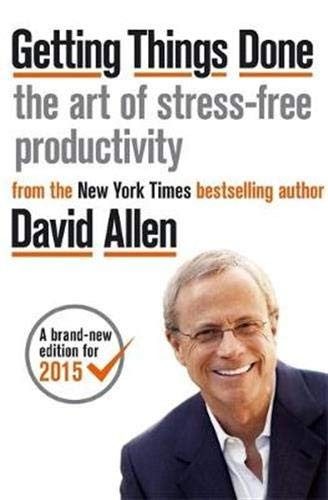
Recommended book
Getting Things Done – David Allen (2001)
This book helps you apply the behaviour by providing clear tools for structuring work, reducing overwhelm and improving focus.
Buy the bookReferences in the Everyone Succeeds book (3)
- Allen, D. (2001) Getting Things Done: The Art of Stress-Free Productivity. New York: Viking. Amazon
- Levitin, D.J. (2015) The Organized Mind: The Science of Preventing Overload, Increasing Productivity and Restoring Your Focus. London: Penguin. Amazon
- Sweller, J. (1988) 'Cognitive load during problem solving: Effects on learning', Cognitive Science, 12(2), pp. 257–285. Amazon
Recommended book
The 7 Habits of Highly Effective People – Stephen Covey (1989)
This text strengthens the behaviour by showing how to focus on high-value work, reduce distraction and invest in long-term impact.
Buy the bookReferences in the Everyone Succeeds book (4)
- Collins, J. (2001) Good to Great: Why Some Companies Make the Leap… and Others Don't. London: Random House Business Books. Amazon
- Covey, S.R. (1989) The 7 Habits of Highly Effective People: Powerful Lessons in Personal Change. New York: Free Press. Amazon
- McKeown, G. (2014) Essentialism: The Disciplined Pursuit of Less. London: Virgin Books. Amazon
- Newport, C. (2016) Deep Work: Rules for Focused Success in a Distracted World. London: Piatkus. Amazon
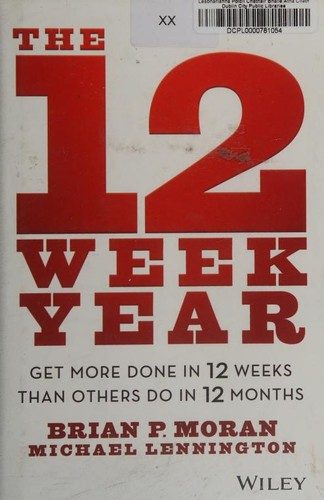
Recommended book
The 12 Week Year – Brian Moran & Michael Lennington (2013)
This book supports the behaviour by demonstrating how long-term goals can be translated into disciplined daily action.
Buy the book
Recommended book
Mindset – Carol Dweck (2006)
This text deepens your practice by exploring how a growth mindset fuels continuous learning and professional improvement.
Buy the book
Recommended book
Atomic Habits – James Clear (2018)
This book strengthens your practice by showing how small, intentional actions compound over time and create lasting behavioural change.
Buy the bookReferences in the Everyone Succeeds book (5)
- Clear, J. (2018) Atomic Habits: An Easy & Proven Way to Build Good Habits & Break Bad Ones. London: Random House Business. Amazon
- Fogg, B.J. (2020) Tiny Habits: The Small Changes That Change Everything. London: Virgin Books. Amazon
- Gollwitzer, P.M. (1999) 'Implementation intentions: Strong effects of simple plans', American Psychologist, 54(7), pp. 493–503. Amazon
- Gollwitzer, P.M. and Sheeran, P. (2006) 'Implementation intentions and goal achievement: A meta-analysis of effects and processes', Advances in Experimental Social Psychology, 38, pp. 69–119. Amazon
- Kegan, R. and Lahey, L.L. (2009) Immunity to Change: How to Overcome It and Unlock the Potential in Yourself and Your Organization. Boston, MA: Harvard Business Press. Amazon
Nothing matches that yet. Try an author’s surname or a behaviour code.
The research behind codifying leadership
The studies and wider reading on how school leadership affects pupil outcomes, and why naming and practising leadership behaviours matters.
Research and wider reading (40)
- Barker, J. and Rees, T. (2021). The codification of leadership knowledge. Chartered College of Teaching. Free to read
- Busher, H. (2005). Being a middle leader: Exploring professional identities. School Leadership and Management, 25(2), 137–153. Journal
- Carter, A. and McInerney, L. (2020). Leading Academy Trusts: Why Some Fail, but Most Don’t. Woodbridge: John Catt. Amazon
- Coe, R. (2022). School Environment & Leadership: Evidence Review. Cambridge Assessment International Education. Free to read
- Day, C., Stobart, G., Sammons, P., Kington, A., Gu, Q., Smees, R. and Mujtaba, T. (2006). Variations in Teachers’ Work, Lives and Effectiveness (VITAE). DfES Research Report RR743. Free to read
- Department for Education (2018). School leadership 2010 to 2016: characteristics and trends. London: Department for Education. Free to read
- Education Endowment Foundation (2016). Teaching and Learning Toolkit. Read online
- Fathers, L. (2018). Why middle leadership development is crucial. Ambition Institute (blog). Read online
- Fitzgerald, T. and Gunter, H.M. (2008). Contesting the orthodoxy of teacher leadership. International Journal of Leadership in Education, 11(4), 331–340. Journal
- Goodall, J. (2018). A toolkit for parental engagement: from project to process. School Leadership & Management, 38(2), 222–238. Free to read
- Hallinger, P. (2018). Bringing context out of the shadows of leadership. Educational Management Administration & Leadership, 46(1), 5–24. Journal
- Hallinger, P. and Heck, R.H. (1996a). Reassessing the principal’s role in school effectiveness: A review of empirical research, 1980–1995. Educational Administration Quarterly, 32(1), 5–44. Journal
- Hallinger, P. and Heck, R.H. (1998). Exploring the principal’s contribution to school effectiveness: 1980–1995. School Effectiveness and School Improvement, 9(2), 157–191. Journal
- Harris, A. (2013). Distributed Leadership; Friend or Foe? Educational Management Administration & Leadership, 41(5), 545–554. Journal
- Harris, A. and Jones, M. (2018). Why context matters: a comparative perspective on education reform and policy implementation. Educational Research for Policy and Practice, 17(3), 195–207. Journal
- Harris, A., Jones, M. and Crick, T. (2020). Curriculum leadership: a critical contributor to school and system improvement. School Leadership & Management, 40(1), 1–4. Journal
- Heck, R.H. and Hallinger, P. (2014). Modeling the longitudinal effects of school leadership on teaching and learning. Journal of Educational Administration, 52(5), 653–681. Journal
- Horng, E. and Loeb, S. (2010). New thinking about instructional leadership. Phi Delta Kappan, 92(3), 66–69. Journal
- Hoy, W.K., Tarter, C.J. and Woolfolk Hoy, A. (2006). Academic optimism of schools: A force for student achievement. American Educational Research Journal, 43(3), 425–446. Journal
- Jacobson, S.L., Johnson, L., Ylimaki, R., and Giles, C. (2005). Successful leadership in challenging US schools. Journal of Educational Administration, 43(6), 607–618. Journal
- Keikavoosi Arani, L., Ramezani, M., and AbedinSalimAbadi, P. (2014). Codification of national accreditation standards for management and leadership in hospitals of Iran. Journal of Mazandaran University of Medical Sciences, 24(119), 194–198. Free to read
- Leithwood, K. and Jantzi, D. (2006). Transformational school leadership for large-scale reform. School Effectiveness and School Improvement, 17(2), 201–227. Journal
- Leithwood, K., Harris, A. and Hopkins, D. (2008). Seven strong claims about successful school leadership. School Leadership & Management, 28(1), 27–42. Free to read
- Leithwood, K., Harris, A. and Hopkins, D. (2020). Seven strong claims about successful school leadership revisited. School Leadership & Management, 40(1), 5–22. Journal
- Leithwood, K., Sun, J. and Pollock, K. (2017). How School Leaders Contribute to Student Success: The Four Paths Framework. Cham: Springer. Publisher
- Leithwood, K., Sun, J. and Schumacker, R. (2017). How School Leadership Influences Student Learning. Paper presented at AERA, New York. Journal
- Lemov, D. (2010). Teach Like a Champion. San Francisco: Jossey-Bass. Amazon
- Lemov, D. (2015). Teach Like a Champion 2.0. San Francisco: Jossey-Bass. Amazon
- Lemov, D. (2019). Twitter post
- Lemov, D. (2021). Teach Like a Champion 3.0. San Francisco: Jossey-Bass. Amazon
- Malen, B. (1995). The micropolitics of education. In The Study of Educational Politics. New York: Falmer. Amazon
- Leithwood, K. and Mascall, B. (2008). Collective leadership effects on student achievement. Educational Administration Quarterly, 44(4), 529–561. Journal
- Ogawa, R. and Hart, A. (1985). The effect of principals on the instructional performance of schools. Journal of Educational Administration, 23(1), 59–72. Journal
- Pitner, N. (1988). The study of administrator effects and effectiveness. In N. Boyan (Ed.), Handbook of Research in Educational Administration. New York: Longman. Amazon
- Robinson, V.M.J., Lloyd, C.A., and Rowe, K.J. (2008). The impact of leadership on student outcomes: An analysis of the differential effects of leadership types. Educational Administration Quarterly, 44(5), 635–674. Journal
- Sun, J. and Leithwood, K. (2017). Calculating the power of alternative choices by school leaders for improving student achievement. School Leadership & Management, 37(1–2), 80–93. Journal
- Thurston, I. (2020). 4 ways to supercharge a school’s engine: middle leaders. Tes (online). Read online
- Toop, J. (2013). Making the most of middle leaders. The Guardian (online).
- Waters, T., Marzano, R.J., and McNulty, B. (2003). Balanced Leadership: What 30 Years of Research Tells Us about the Effect of Leadership on Student Achievement. Free to read
- Yukl, G. (1989). Leadership in Organizations. Englewood Cliffs, NJ: Prentice Hall. Amazon
As an Amazon Associate, Everyone Succeeds earns from qualifying purchases. See also the Bookshelf for practical summaries of books that support the behaviours.