

L7. Co create what matters
Involve others in shaping direction. Shared ownership strengthens commitment.

Resources to support growth in this behaviour

Whether this behaviour has been chosen through Step 1. Diagnose, highlighted through reflection or coaching, or identified as a school or trust priority, you can now follow the steps below to develop and embed it in your daily leadership practice.
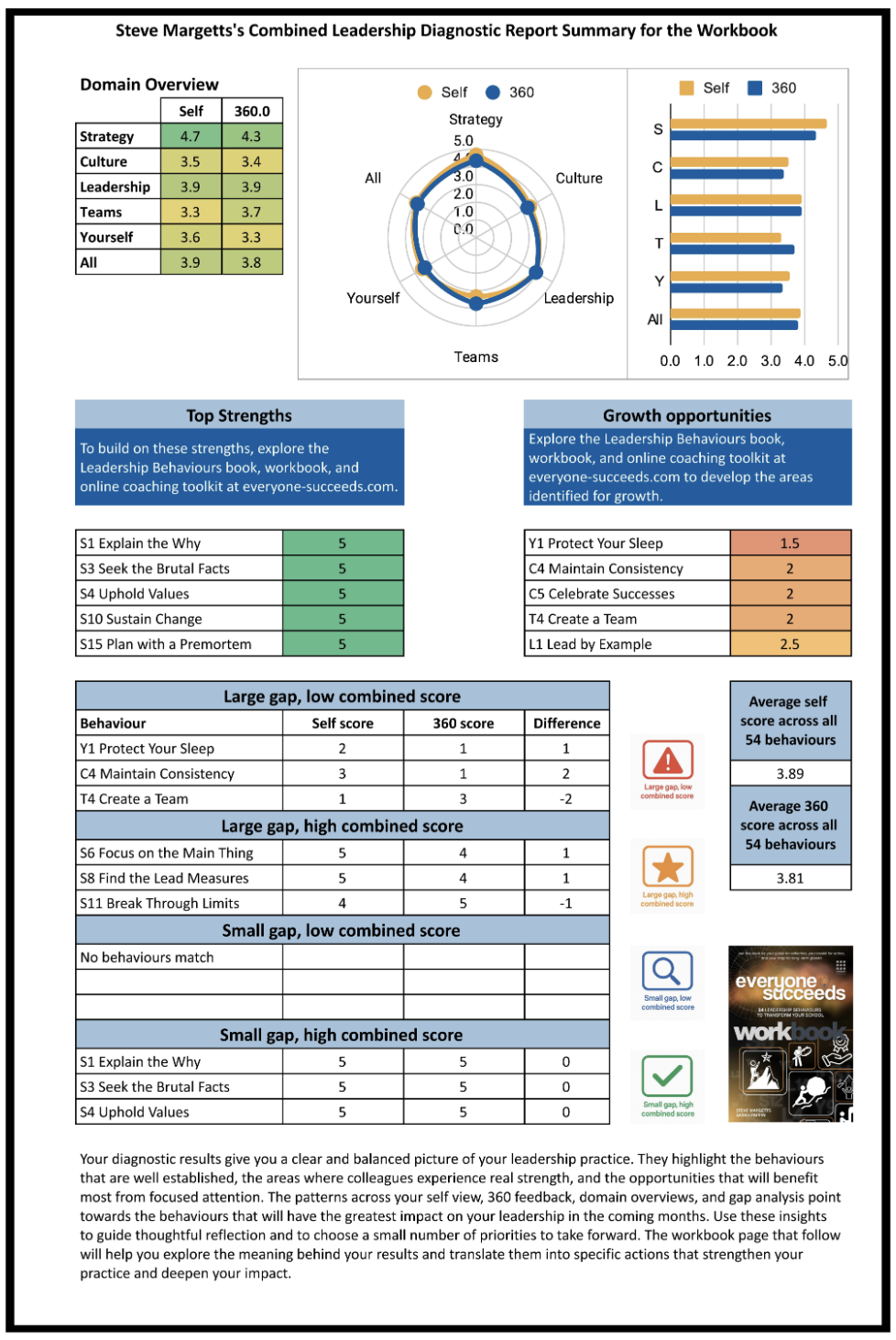

Step 2. Learn: Read Everyone Succeeds: 54 Leadership Behaviours to Transform Your School to understand what great leadership looks like in practice. Each behaviour is grounded in research and real examples from schools and businesses.
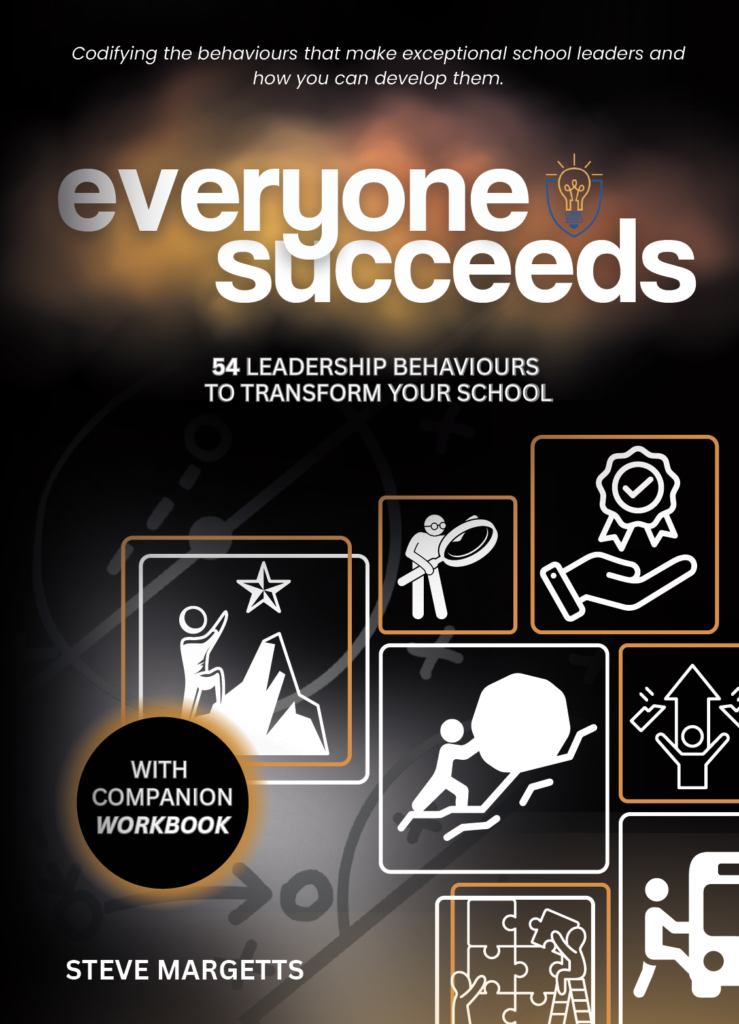

Step 3. Reflect: Use the Everyone Succeeds Workbook to apply ideas to your own context.
Guided reflection, practical actions, and space for planning turn understanding into improvement.


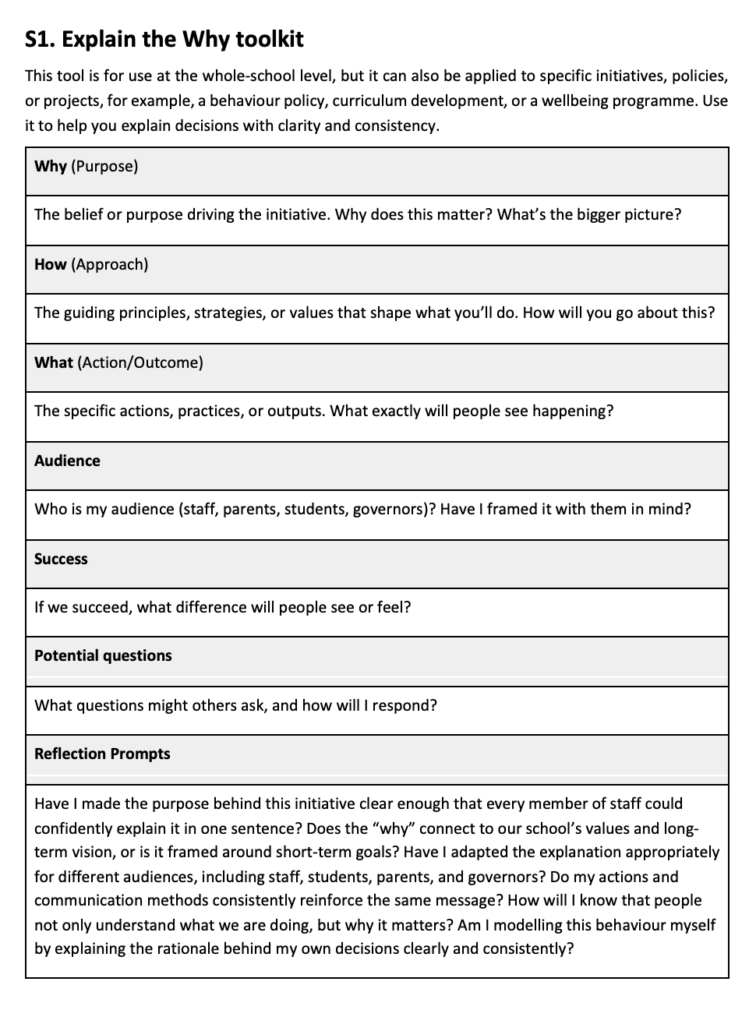
Step 4. Apply: Work through the Leadership Toolkit for this behaviour. Use the Co-Create What Matters toolkit to involve staff meaningfully in shaping improvements so ownership and alignment grow together.

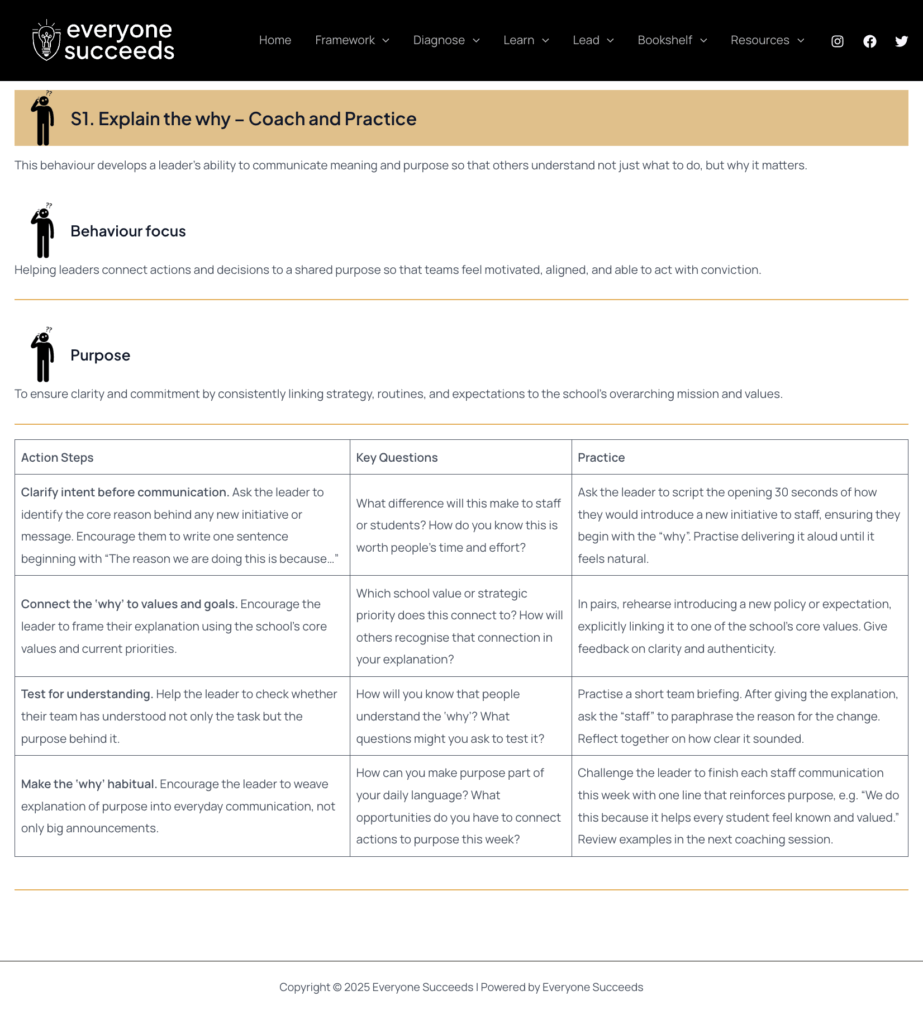
Step 5. Coach and practice: Use the Co-create what matters Coach and Practise Frameworks to strengthen the behaviour through action steps that invite voice and shared ownership, rehearsing collaboration so commitment grows.
These can be used individually or with colleagues to embed key behaviours.

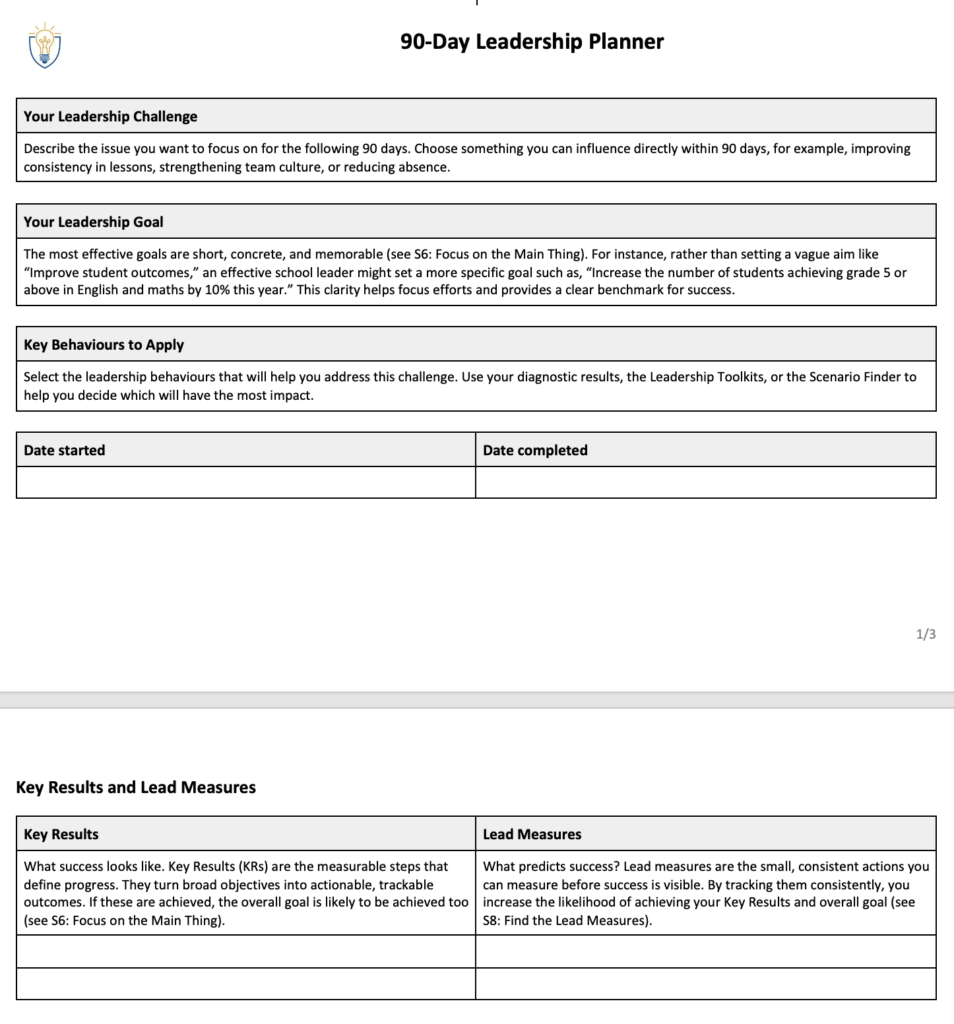
Step 6. Plan: Set measurable goals using the 90 Day Leadership Planner.
Turn improvement into action by tracking your focus and progress over time, with completed examples for different career stages.
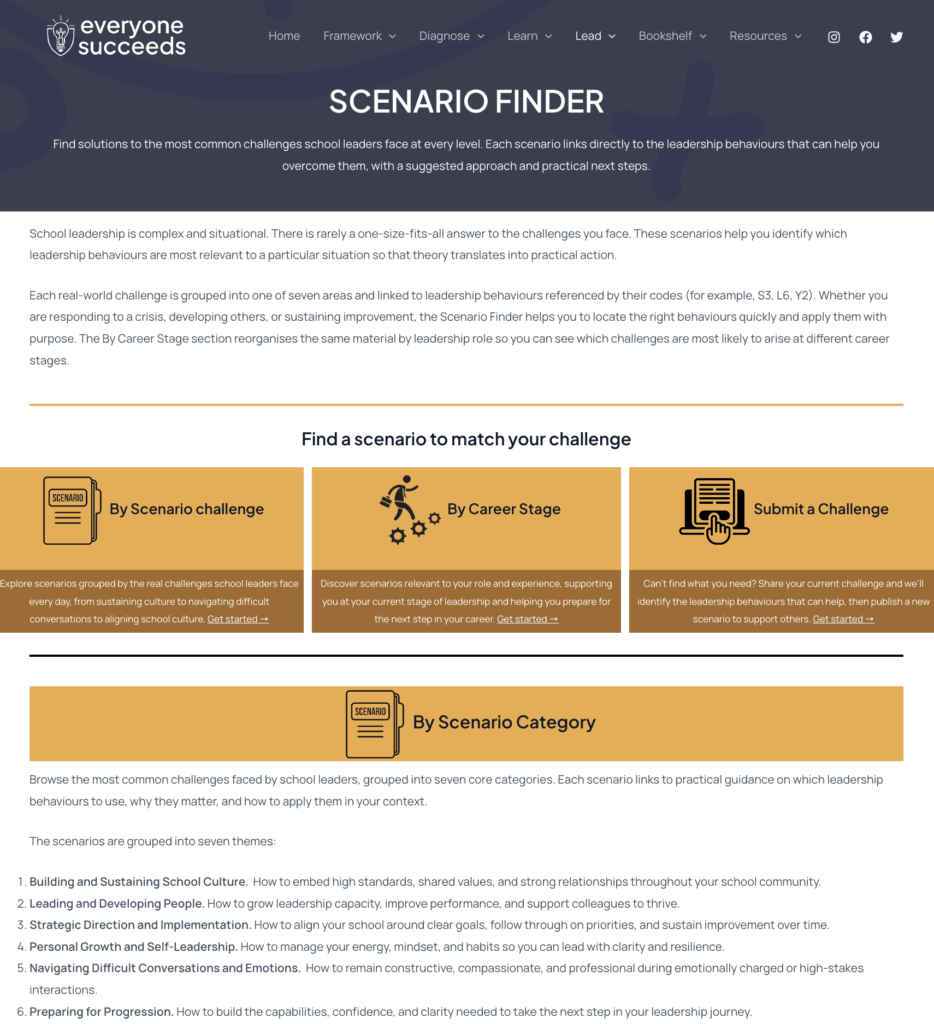
Step 7. Lead: Apply your learning to real situations through the Scenario Finder.
Over fifty scenarios link directly to the behaviours that help you solve the challenges that matter most in your school.
One book suggestion
The Wisdom of Crowds – James Surowiecki (2004).
This book deepens the behaviour by showing how collective intelligence leads to better decisions and greater buy-in. Buy the book.
References from the Everyone Succeeds book
Deci, E. L., & Ryan, R. M. (2000). The “what” and “why” of goal pursuits: Human needs and the self-determination of behavior. Psychological Inquiry, 11(4), 227-268.
