

Y3. Manage emotions
Respond thoughtfully under pressure. Emotional control builds calm and credibility.

Resources to support growth in this behaviour

Whether this behaviour has been chosen through Step 1. Diagnose, highlighted through reflection or coaching, or identified as a school or trust priority, you can now follow the steps below to develop and embed it in your daily leadership practice.
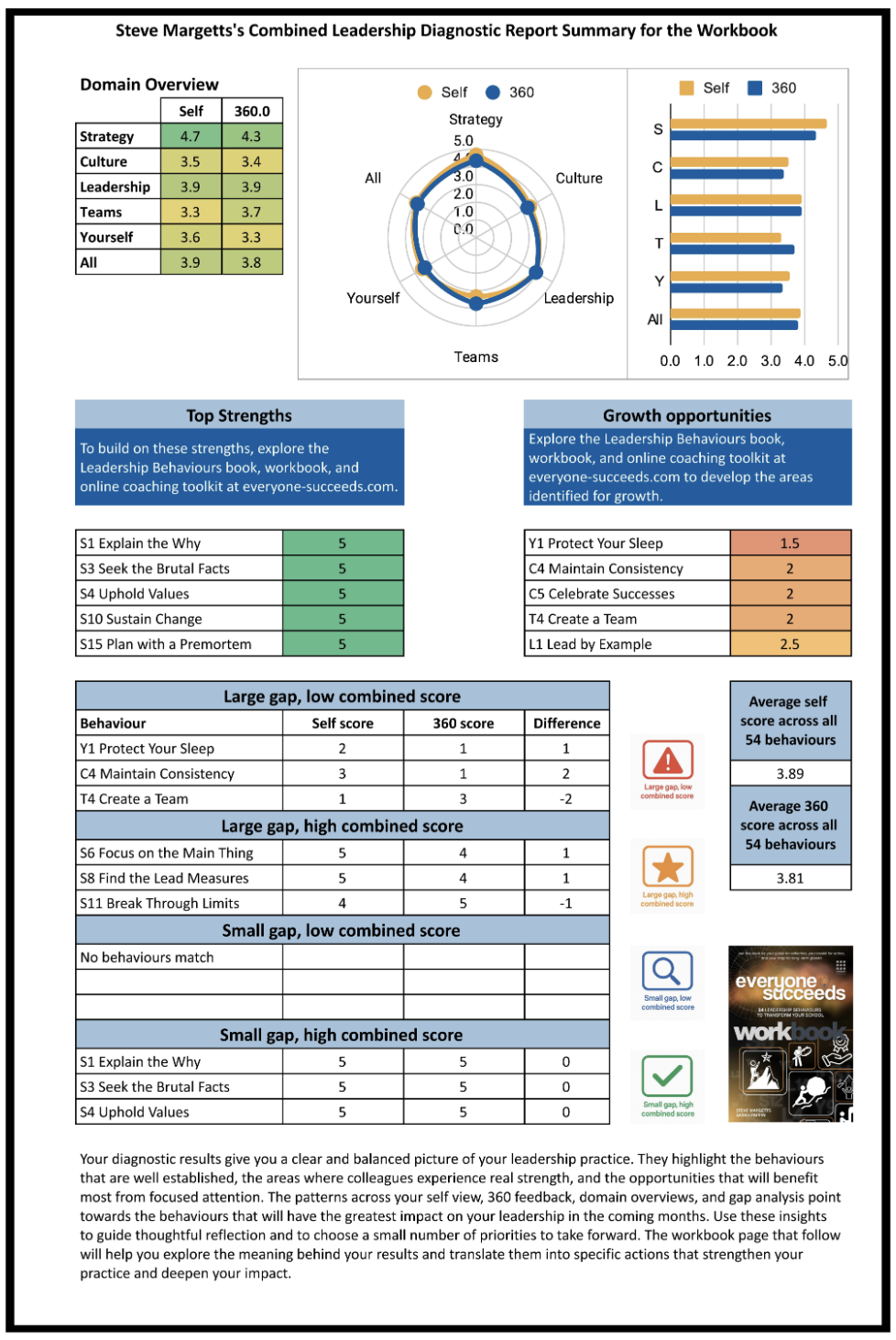

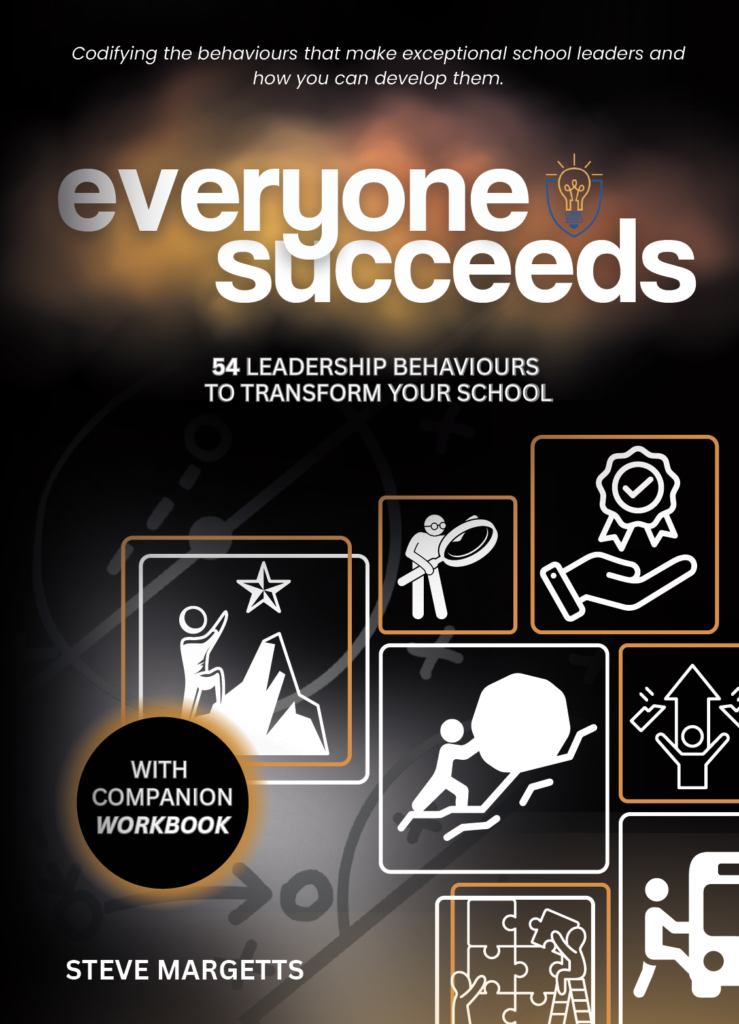
Step 2. Learn: Read Everyone Succeeds: 54 Leadership Behaviours to Transform Your School to understand what great leadership looks like in practice. Each behaviour is grounded in research and real examples from schools and businesses.

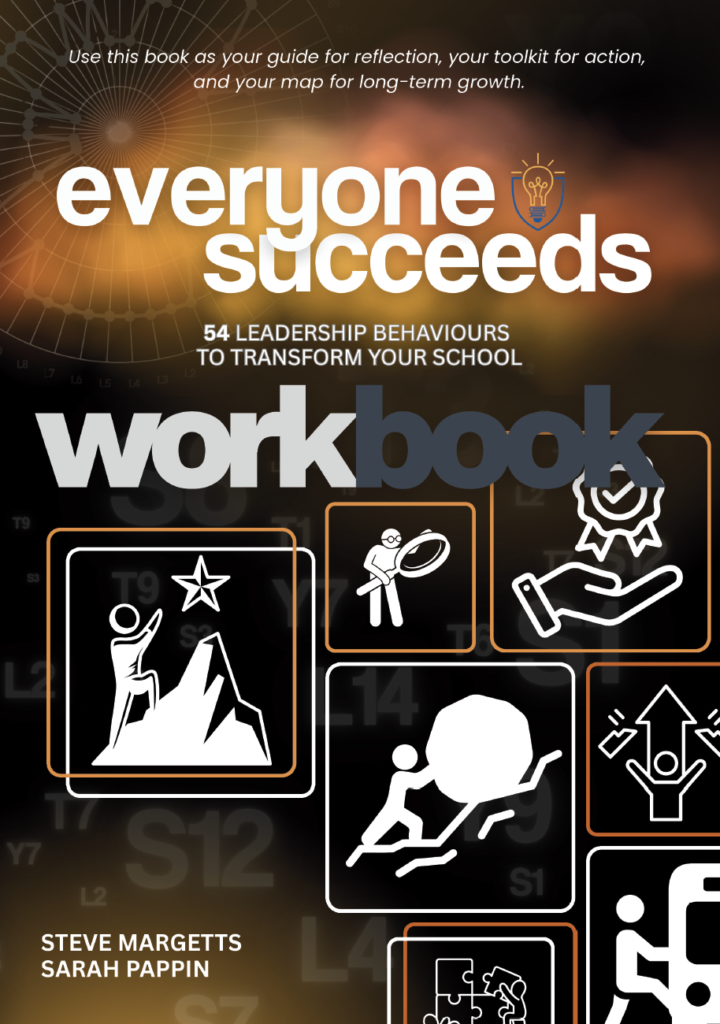
Step 3. Reflect: Use the Everyone Succeeds Workbook to apply ideas to your own context.
Guided reflection, practical actions, and space for planning turn understanding into improvement.

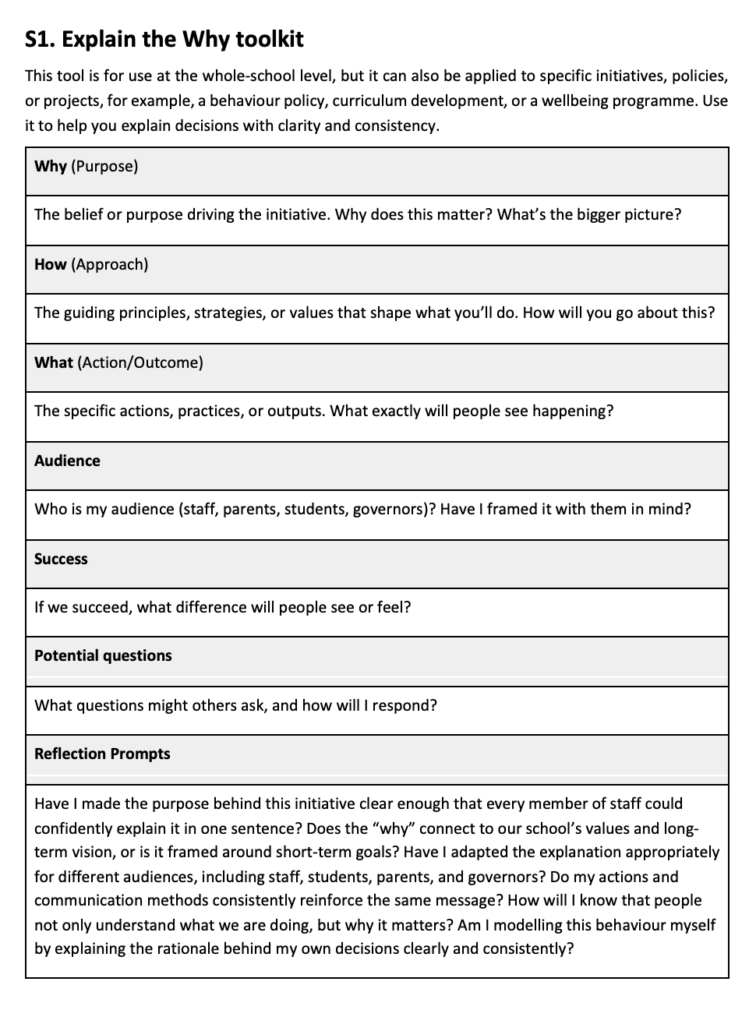
Step 4. Apply: Work through the Leadership Toolkit for this behaviour. Use the Manage Emotions toolkit to recognise triggers, regulate responses, and lead with calm, steady presence.

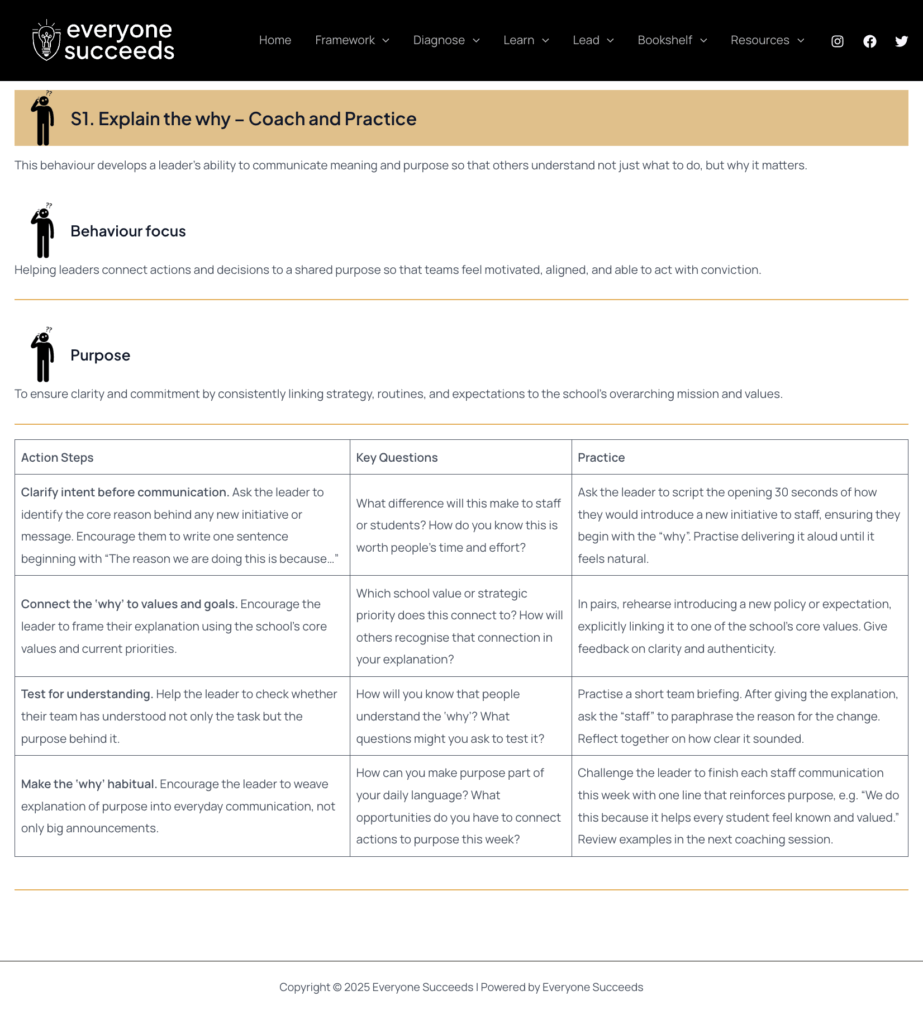
Step 5. Coach and practice: Use the Manage emotions Coach and Practise Frameworks to strengthen the behaviour through action steps that build awareness and regulation, rehearsing calm responses so pressure does not dictate behaviour.
These can be used individually or with colleagues to embed key behaviours.
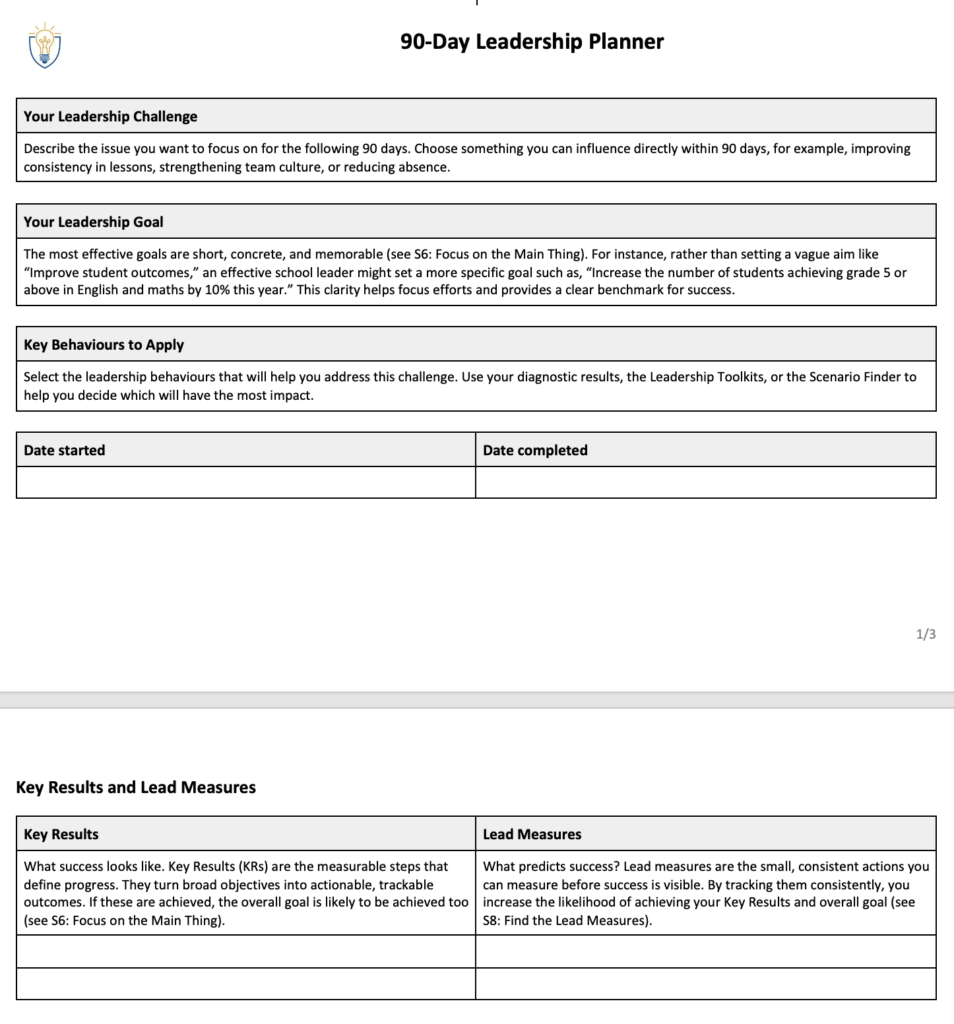
Step 6. Plan: Set measurable goals using the 90 Day Leadership Planner.
Turn improvement into action by tracking your focus and progress over time, with completed examples for different career stages.
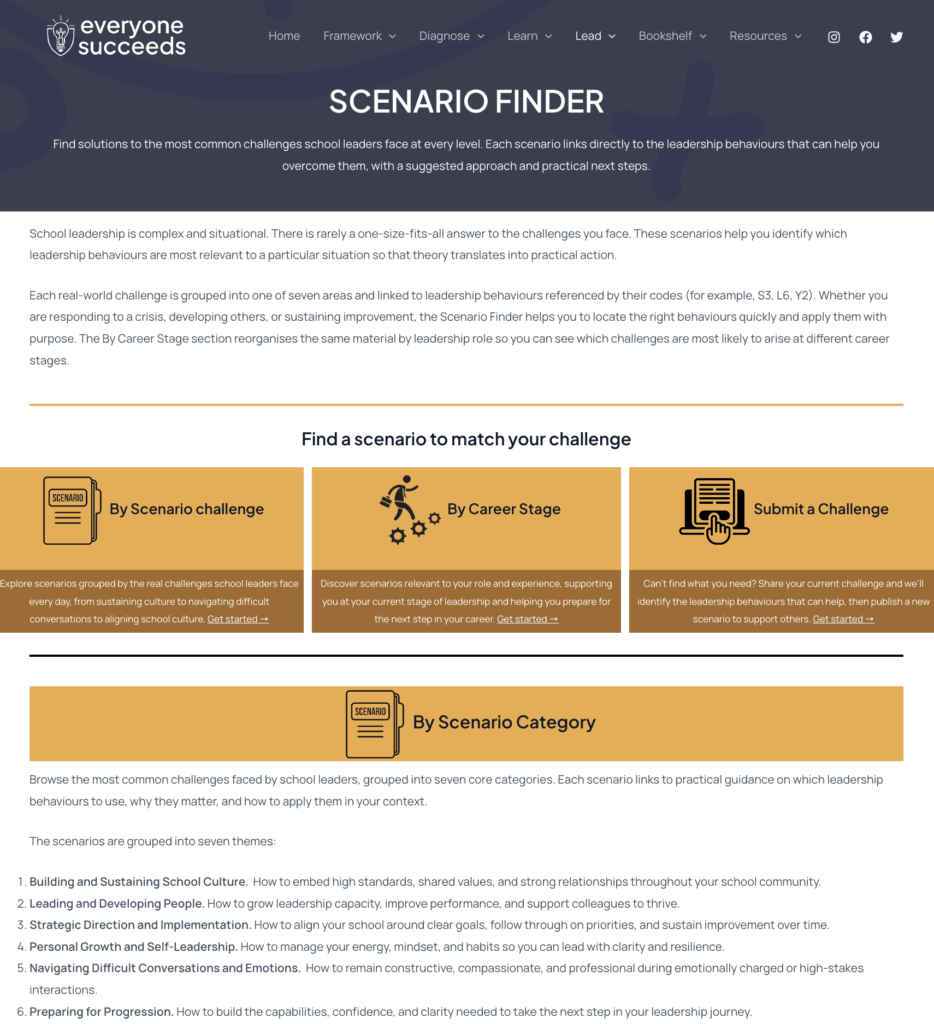
Step 7. Lead: Apply your learning to real situations through the Scenario Finder.
Over fifty scenarios link directly to the behaviours that help you solve the challenges that matter most in your school.
One book suggestion
Emotional Agility – Susan David (2016).
This book supports the behaviour by offering strategies for recognising, naming and navigating emotions with clarity and composure. Buy the book.
References from the Everyone Succeeds book
Beatty, B. R. (2000) The Emotions of Educational Leadership: Breaking the Silence. International Journal of Leadership in Education, 3(4), pp. 331-357.
Boyatzis, R. E. and McKee, A. (2005) Resonant Leadership: Renewing Yourself and Connecting with Others Through Mindfulness, Hope, and Compassion. Boston, MA: Harvard Business School Press.
Goleman, D. (1996) Emotional Intelligence: Why It Can Matter More Than IQ. London: Bloomsbury.
Goleman, D., Boyatzis, R. and McKee, A. (2002) Primal Leadership: Realising the Power of Emotional Intelligence. Boston, MA: Harvard Business School Press.